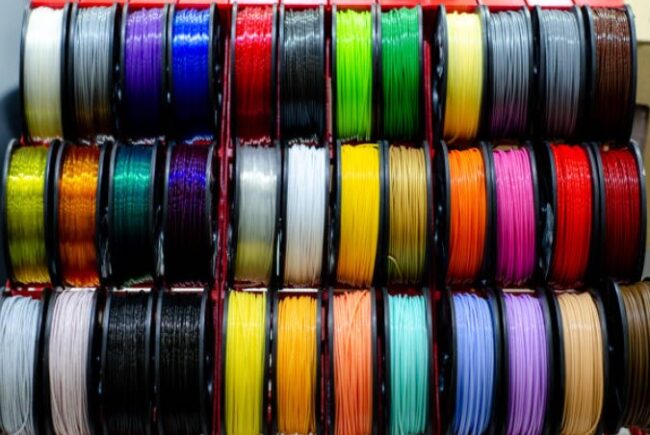
In the world of 3D printing, the filament you choose is as crucial as the design itself. Each filament—whether it’s PLA for its ease of use, ABS for its strength, PETG for its balanced properties, TPU for flexibility, or Nylon for its toughness—offers distinct advantages that can make or break your project.
For those pushing the boundaries of innovation, specialty filaments like wood, metal, and carbon fibre composites unlock new possibilities, allowing you to create prints that not only meet but exceed the demands of both function and aesthetics.
However, with this versatility comes responsibility. Understanding the nuanced behaviours of these materials—how they interact with your printer settings, the environmental conditions they require, and the post-processing techniques they support—is key to mastering 3D printing.
As you advance in your 3D printing journey, remember that the right filament choice is more than just a material decision; it’s a strategic step toward achieving professional-grade results. By leveraging the strengths of each filament and mitigating their weaknesses, you can ensure your prints are not only visually stunning but also mechanically sound and fit for purpose.
Whether you’re prototyping the next big innovation or crafting a custom piece, the knowledge of your materials will empower you to make informed choices, optimise your process, and ultimately, bring your most ambitious designs to life.